 0
 0
By Jeremiah Alabi
It was Day Three! The initial surge of emotions had gradually become familiar, but the excitement and fun that came with LABAF never fell below par.
Today particularly had something to look forward to, as the Kayode Aderiokun Poetry Prize (KAPP) was cheduled for the evening. The thought of witnessing young creative minds take the stage, weave emotions into words and give life to their imagination through poetry was exciting enough to get anyone to the park.
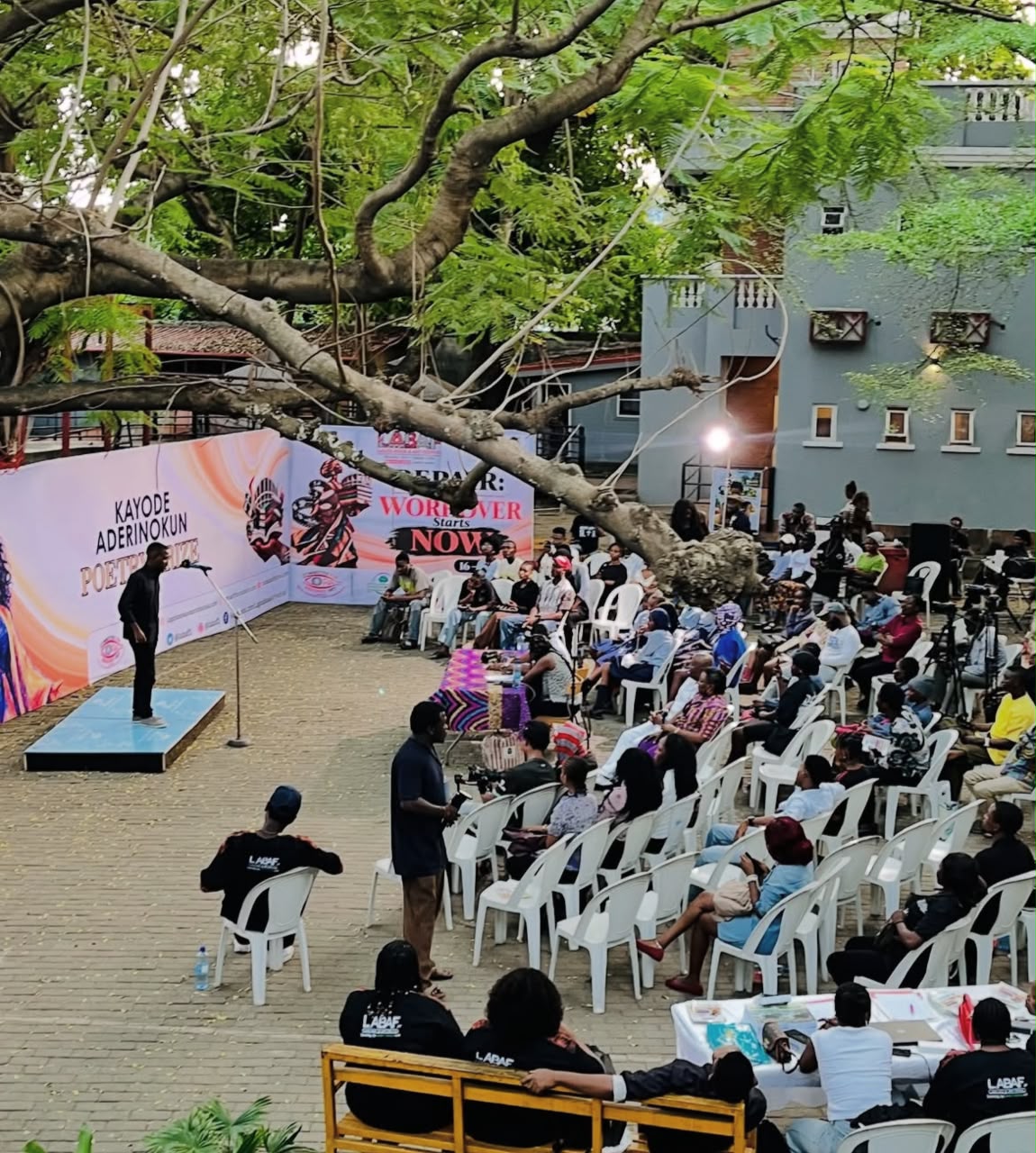
By 4.00pm, the open space in the leafy Freedom Park garden had begun to wear the look of a grand performance arena. The stage stood at a prominent space to catch attention, while a panel of judges, Betty Zainab (Mrs)., Ayo Oyeku (thrice longlisted for Nigeria Prize for Literature for three consecutuve years), Charles Akwen (PhD) and Akeem Lasisi, the veteran, multilingual, multi-format, poet, of both he spojken and the written word, occupied their jury seats and were ready to witness and assess the creative expressions that would soon unfold.
Nearby, the high table had (the prize sponsor) Kayode Aderiokun, (banker, gold merchant and a titled chief) to add a touch of ceremony as the performances unfolded.
“I arrived at the venue early at 12.00pm, so I can settle in without rushing. While waiting, it took forever in my eyes before 4.00pm could arrive. The only time I get this feeling is when I am fasting.”
The audience, which consisted of students from the University of Lagos (UNILAG), Akoka, Lagos, and Lagos State University (LASU), Ojo, writers, poets, secondary school students and proteges of Aj. Dagga Tola, volunteers and well wishers were arranged in a beautiful semi-circle around the performance area, creating an intimate setting where everyone had a clear view of the stage. It was a thoughtful arrangement: no distant spectators, no isolated corners, just a gathering of people brought together by a shared interest in artistic expression. From the judges to the distinguished guests at the high table, and down to the audience waiting in anticipation, everything seemed to have found its place.
The competition opened on a captivating note as the first poet took the stage and immediately drew the audience into the performance. With assured delivery, thoughtful wordplay and an engaging blend of rhythm and emotion, the contestant demonstrated an impressive command of the art. Every line appeared carefully delivered, leaving the audience attentive and appreciative. It was a memorable start that set a high standard for the performances that followed.
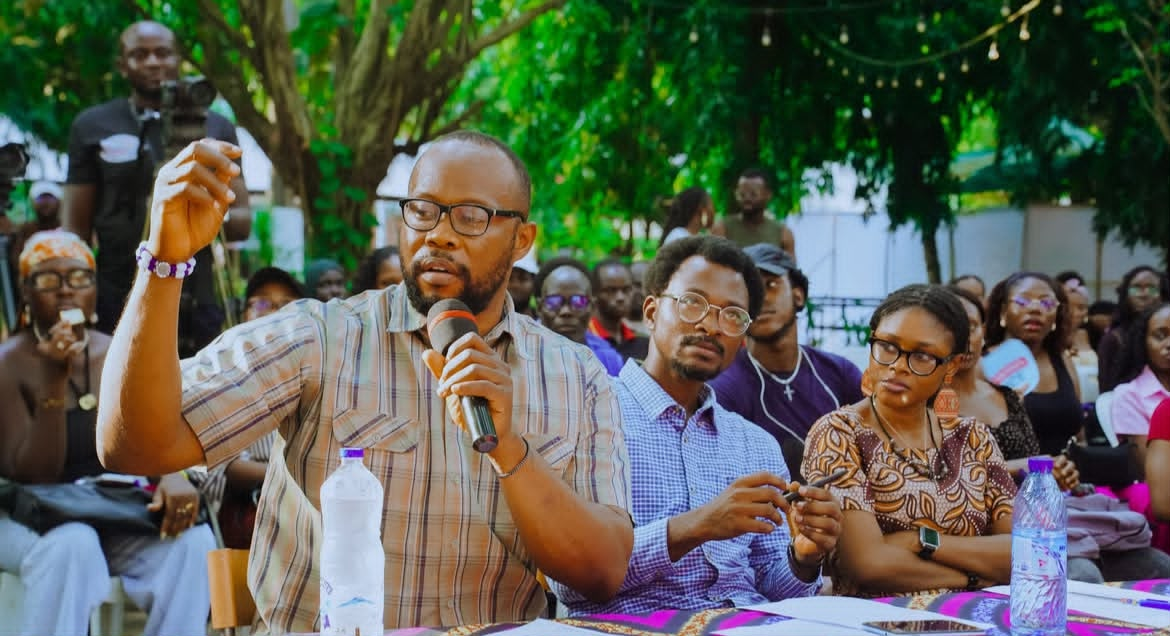
With such a promising opening, one could only imagine what the remaining contestants had in store. As the competition progressed, the stage became a meeting point for different voices, perspectives and interpretations of poetry. There was, however, no predictable pattern to the quality of performances. Some contestants came prepared to leave a lasting impression, others offered simpler expressions, with moments that were interesting but did not quite reach the heights set by some of their fellow contestants.
As the performances continued, one thing became increasingly apparent: the judges would have a difficult task deciding a winner. With several impressive presentations and varying degrees of creativity on display, deciding who deserved a place in the semi-final would certainly not be an easy exercise. Beyond the technicalities of delivery, they had to consider originality, content, confidence and the ability to connect with an audience from the 56 contestants. It was no longer simply a question of who performed well, but also who had done enough to stand out among a group of talented young poets.
Eventually, the first stage of the competition came to an end, but the anticipation was far from over. The semi-final was scheduled for the following day at 4.00pm. For those who had made a strong impression, the journey was only the beginning; for the judges, the difficult business of deciding who would advance was just as important as the performances themselves.
Tension had steadily built up in the minds of young poets that participated in the first round of KAPP, not because of fear of underperformance but due to the quality of performances delivered by the contestants. One could tag it the “UEFA Champions League” for poets, and he could be right.
Then 4.00pm arrived, the well anticipated time for the young poets. I overheard someone saying: “I arrived at the venue early at 12.00pm, so I can settle in without rushing. While waiting, it took forever in my eyes before 4.00pm could arrive. The only time I get this feeling is when I am fasting.” I smiled. “This year is so tough, so many contestants and at the same time so many strong contestants,” I overheard another side talk. At that point, I concluded that LABAF had done a great job gathering many sound minds together.
Then the stage was ready to receive 30 exceptional minds who qualified for the semi-final of KAPP. The beautiful semi-circle arrangement around the performance area for a clear view of the stage was maintained.
Then the first performer stepped onto the stage. There is always something special about the opening act of an event; it carries the responsibility of setting the tone for everything that follows. Fortunately, the first contestant understood the assignment. With remarkable confidence and an impressive command of words, the performer took the audience on a journey, weaving emotions, rhythm and carefully chosen expressions into a beautiful poetic experience. Then the remaining 29 contestants faced the challenge of matching that energy; some rose to the challenge while others struggled to match the standard. The judges were able to arrive at 13 phenomenal contestants who advanced to the final round.
The phenomenal 13 finalists went on to give us reasons they got to the final round and why they deserve the tag “phenomenal” with their performances. At that point, if I were to be a judge I would have found it difficult to determine the overall winner. But since I was not, my only task was to sit back and enjoy the outstanding performances and feel sorry for the judges for the uneviable task before them.
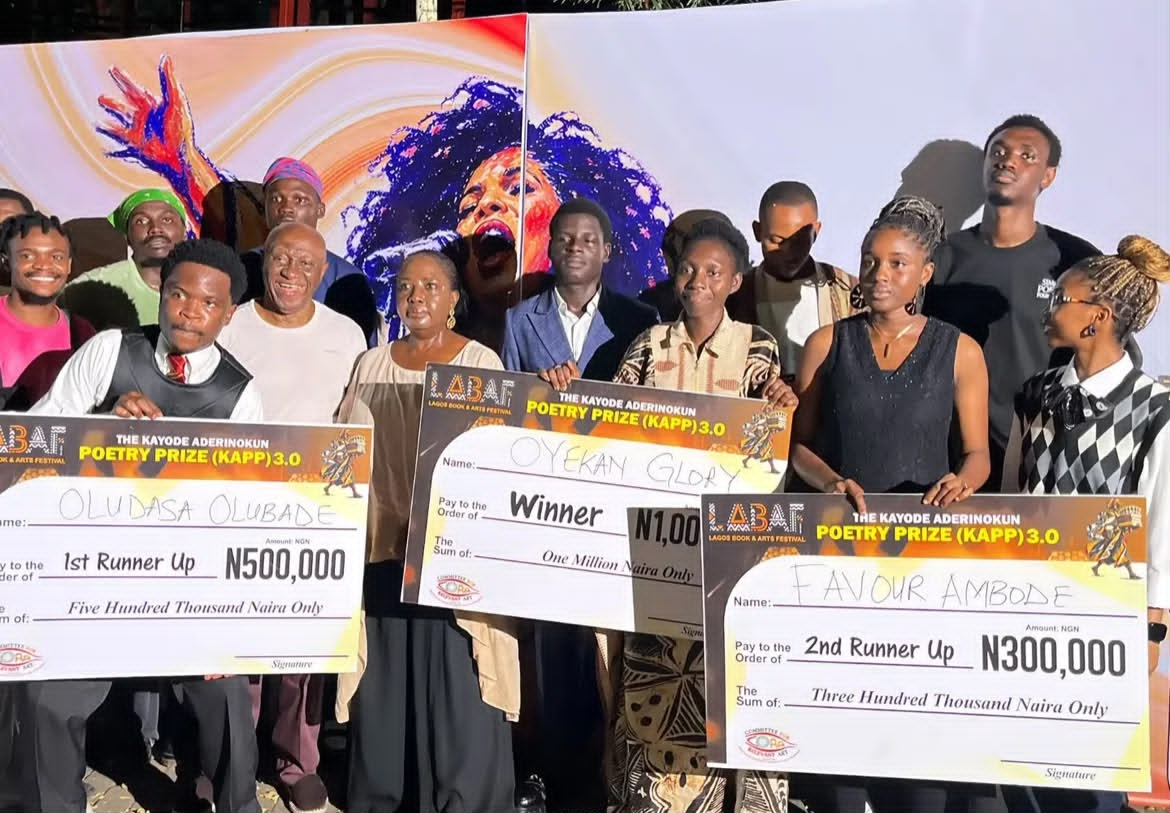
While we waited for the announcement of the final three, the heavens had at this point switched the source of light from the radiant sun to the calm moon. The clouds, with light blue colour, soon became dark and the lights were switched on to give the performance arena sparkling splendour. Then the wait ended, and the names of the winners were announced in an ascending order. Every finalist aside, the top three went home with a consolation prize. The overall winner was Glory Opeyemi Oyekan; first runner-up was Oludasa Olubade and the second runner-up was Favour Amubode.
The joy on the faces of the winners was as radiant as the moon that electricity had managed to diminish at the leafy venue, especially the excitement, dance and cheering by Opeyemi; her father was beside himself with joy for the pride his daughter had brought him. It showed how much impact this competition had on the lives of the young creatives, the promise of possibilities in their craft.
That was the Kayode Aderiokun Poetry Prize 2026 went down, as those who fell along the way and many other young poets look forward to next year for yet another round of sterling performances and the promise of financial reward for the gift of poetry.