 0
 0

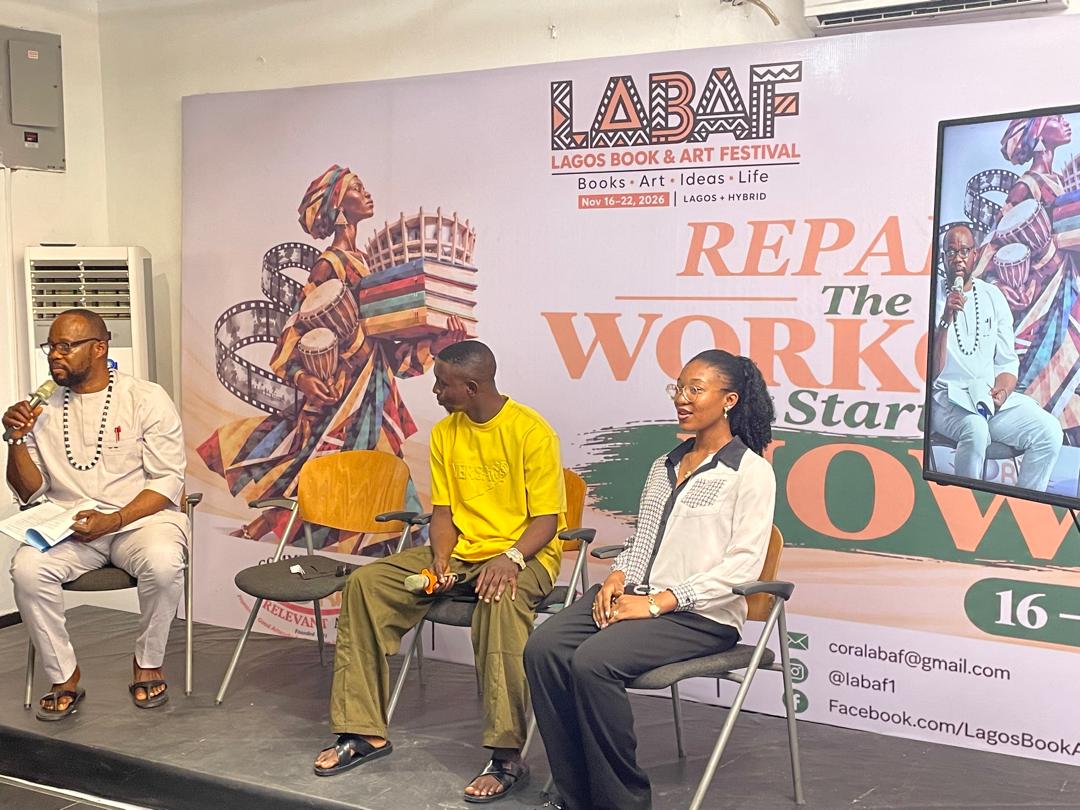
The LABAF 2026 panel session on African Theatre and Film was a gathering of academic, critical and production voices to discuss the theme, ‘Old Light in New Vessels’.
Charles Akwen, the playwright and poet who moderated the conversation, established an intellectual framework for the discussion from the beginning: the unspoken aspects of the filmmaking process, the relevance of theatre in modern times, and African identity in the international arena.
The first question that came up in the discussion was whether African theatre continued to be useful in a society that is constantly changing in terms of entertainment options.
Opeyemi Adesokan presented a strong argument for the medium, citing Chinua Achebe’s claim that a good writer must be a reflection of his/her present society, and African theatre, while it has to surmount existential challenges to itself, is also guide to navigating societal challenges. Adesokan highlighted the balance between the modern and the historical in 21st century African film, emphasising that the modern themes are prevalent but that many producers are still finding creative fulfilment in reimagining the past and re-telling the story of history for contemporary audiences.
Olamide Awotile, who handles production management for theatrical projects, pointed out some of the logistical challenges encountered on set. She mentioned funding issues, unexpected production delays, and the well-being of cast and crew as significant challenges, noting that the mental health of a team affects their performance.
The conversation then shifted to the economics of production as Akwen asked whether costly productions, which then induce increase in ticket prices, could be viable in the face of a struggling dipping economy. Olamide, also a student, said it was not possible for a struggling student to pay ₦20,000 for a cinema ticket. Akwen then urged filmmakers to focus more on structured fundraising than relying on box office revenues alone.
The highlight of the session was during Q&A where. John Gbotemi Adeniyi raised issues with the quality of African films and urged filmmakers to raise their standards to make their films sell themselves without the need for a lot of promotion.
Adesokan disagreed, saying that though Nigerian filmmakers produce quality films, the Nigerian public appears indifferent. The audience immediately erupted at his comment, “Nigerians will rather pirate Hollywood films on illegal sites rather than pay cinema tickets,” with a number of them remarking that Africans prefer to spend more time and resources on non-African films.
“The African filmmaker needs to invest more time and attention into craft and detail, instead of on costumes and other frivolities.”, said Omonike Muraina, who said he deplored the industry practice of getting projects ready meant for months of intense production into days, noting that this was bound to reduce quality.
Akwen concluded the session by encouraging young creatives to find their voice and maintain quality in their creative offerings. The panel went beyond the usual superficial admiration of African art, especially the cinematic art, and providing a candid, brisk and much-needed examination of the creative, economic and audience-based challenges facing Africa theatre and film today.