 0
 0
By Chinelo Nwora
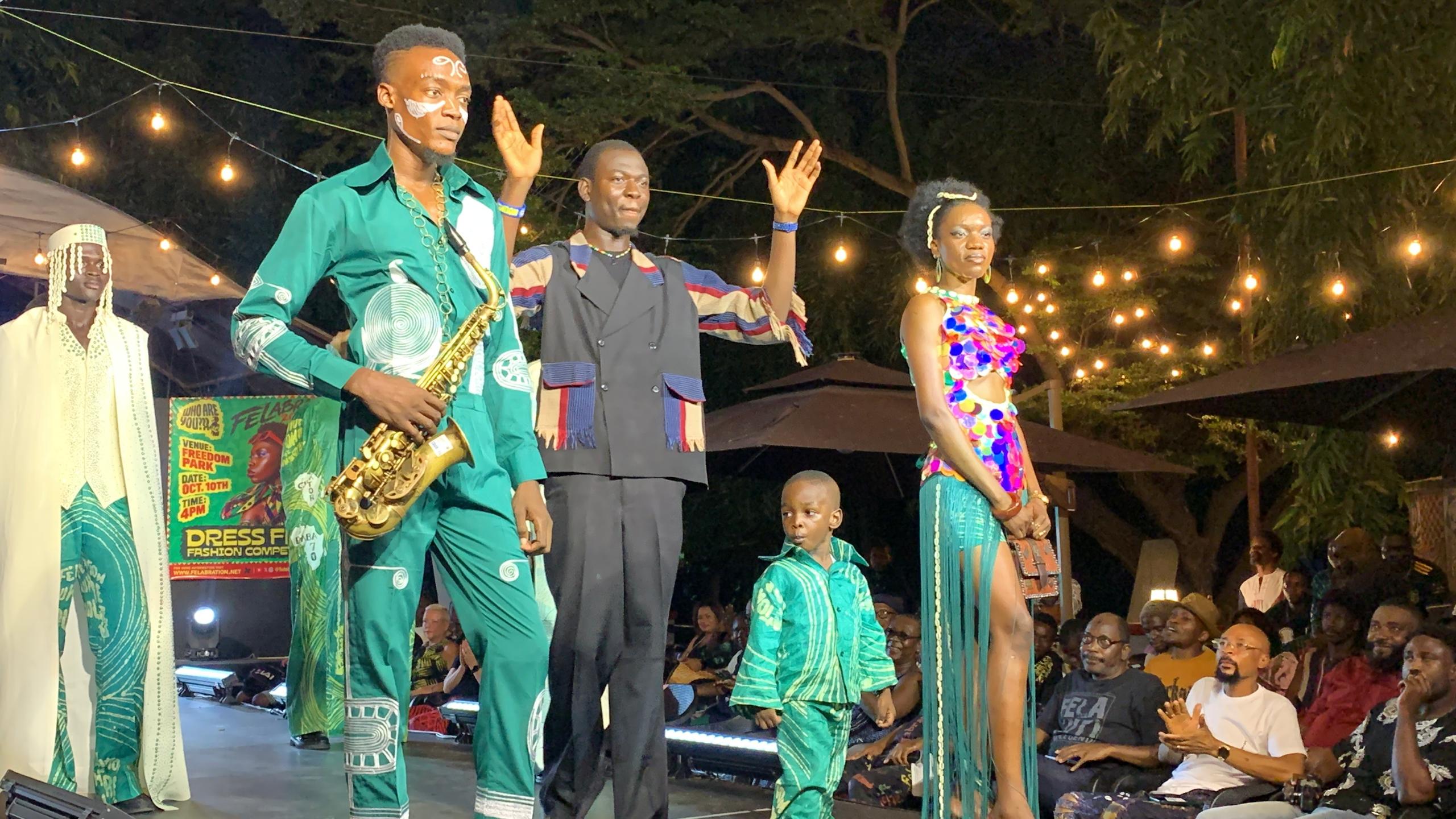
WHAT would Fela Anikulapo-Kuti wear if he were alive today? Would he remain faithful to his iconic style, embrace contemporary fashion trends, or reinvent his appearance for a futuristic world? These questions came alive on Saturday, October 10, 2026, as designers gathered for the Dress Fela Fashion Competition, a special pre-event leading to Felabration 2026, the annual celebration of the life, music and legacy of Nigeria’s legendary Afrobeat pioneer, Fela Anikulapo-Kuti. From Fela’s iconic looks of the past to futuristic Afrocentric creations, the Dress Fela Fashion Competition opened Felabration 2026 with a celebration of identity, culture and creative expression.
Held under the theme “Who Are You?”, this year’s Felabration invites audiences to reflect on identity, self-expression and the cultural influences that shape who we are. The festival’s main programme ran from October 12 to 18, 2026 at the New Afrika Shrine in Ikeja, and at Freedom Park, Lagos. The ‘Dress Fela’ contest set the tone for the festivities, bringing together fashion, cultural heritage and contemporary creativity in an exploration of one of Africa’s most recognisable cultural figures.
 The contest challenged 12 fashion designers to interpret Fela’s distinctive style across three timelines: the past, the present and the future. The past represented Fela as he was known to the world: bold, unapologetic and unmistakably African. The present challenged designers to imagine how his fashion sensibilities might translate into today’s trends, while the future invited them to explore a more futuristic interpretation of his identity and style. Each designer brought a unique perspective to the runway, transforming Fela’s signature aesthetic into contemporary fashion statements.
The designs drew inspiration from Fela’s expressive personality, his cultural consciousness and his ability to challenge conventions. His distinctive stage presence, bold prints, loose-fitting trousers, beads and Afrocentric styling have long formed an essential part of his public identity. His influence extends beyond music into fashion, politics and the broader expression of African identity. For the participating designers, the challenge was not simply to recreate Fela’s appearance but to interpret his identity through their individual creative perspectives.
At the heart of the competition was Adire, a traditional Yoruba-Nigerian textile known for its distinctive patterns and cultural significance. The designers used the material to create Afrocentric looks that reflected Fela’s style while incorporating their interpretations of different periods and possibilities. Through their designs, the contestants demonstrated how traditional textiles can serve as a foundation for contemporary fashion. Rather than treating cultural heritage as something confined to the past, the designers presented it as a living source of inspiration that can evolve with changing generations. The resulting styles explored the relationship between tradition and innovation, showing how Nigerian fashion can preserve cultural identity while embracing new ideas.
This approach also reflected the central question of Felabration 2026: “Who Are You?” For a fashion designer, identity can be expressed through the choice of fabric, the structure of a garment, its colours, patterns and the story behind its creation. Each collection offered a different answer to the question, using fashion as a language through which to interpret Fela’s enduring influence.
The twelve fashion brands participated in the competition, each bringing its own interpretation of Fela’s past, present or imagined future. They are OLAGOLD Fashion by Olalekan Daniel Oyeniyi, EMKAY by Moses Henry, Temmy Unisex Empire by Eluyeye Eunice Moyinoluwa, ComfortNaija, AWA, Styles By Temmy by Temiloluwa Ifejesu, Delachess Couture by Michael Koumah, and Monarch by Segun Ajimate Emmanuel. Others are MIRRORVERSE by Ajanaku Samuel, MURIBILLIONS by Muri Ayo, PSAMUELS Africa by Amoo Ayomide Samuel and ZYZAH by Azeezat Zakariyah.
The participating designers presented their creations before a panel of three accomplished fashion professionals: Frank Osodi Richard (a renowned Nigerian fashion designer and model, founder of House of Bunor, whose experience in fashion and modelling brought a valuable industry perspective to the competition), Lanre Da Silva Ajayi (widely known as LDA, is a leading Nigerian luxury fashion designer, founder of her eponymous Lagos-based fashion label, established in 2005, whose work is recognised within Nigeria’s luxury fashion industry) and Ade Bakare (a British-Nigerian fashion and costume designer, founded Ade Bakare Couture in 1991, whose experience in fashion and costume design brought another dimension to the assessment of the designers’ interpretations).
Together, the judges brought professional fashion expertise to a competition that required more than technical skill. Participants had to demonstrate originality, an understanding of Fela’s identity and the ability to translate a cultural reference into a compelling contemporary design. At the end of the competition, OLAGOLD FASHION, led by Oyeniyi, emerged winner and received the ₦1 million prize money. The victory marked a significant moment for the designer, whose work stood out in a competition built around interpreting the legacy of one of Africa’s most influential cultural figures. Mirrorverse, represented by Samuel, emerged second runner-up.
The contest also highlighted the potential of cultural events to create opportunities for emerging and established creative talents to showcase their work before new audiences. While speaking on the prize money, Fela’s daughter, Yeni Kuti, disclosed that plans were underway to increase the winning prize to ₦5Million from the 2027 edition. The proposed increase signals an ambition to expand the competition’s reach and strengthen its appeal to fashion designers, while creating greater incentives for participation in future editions.
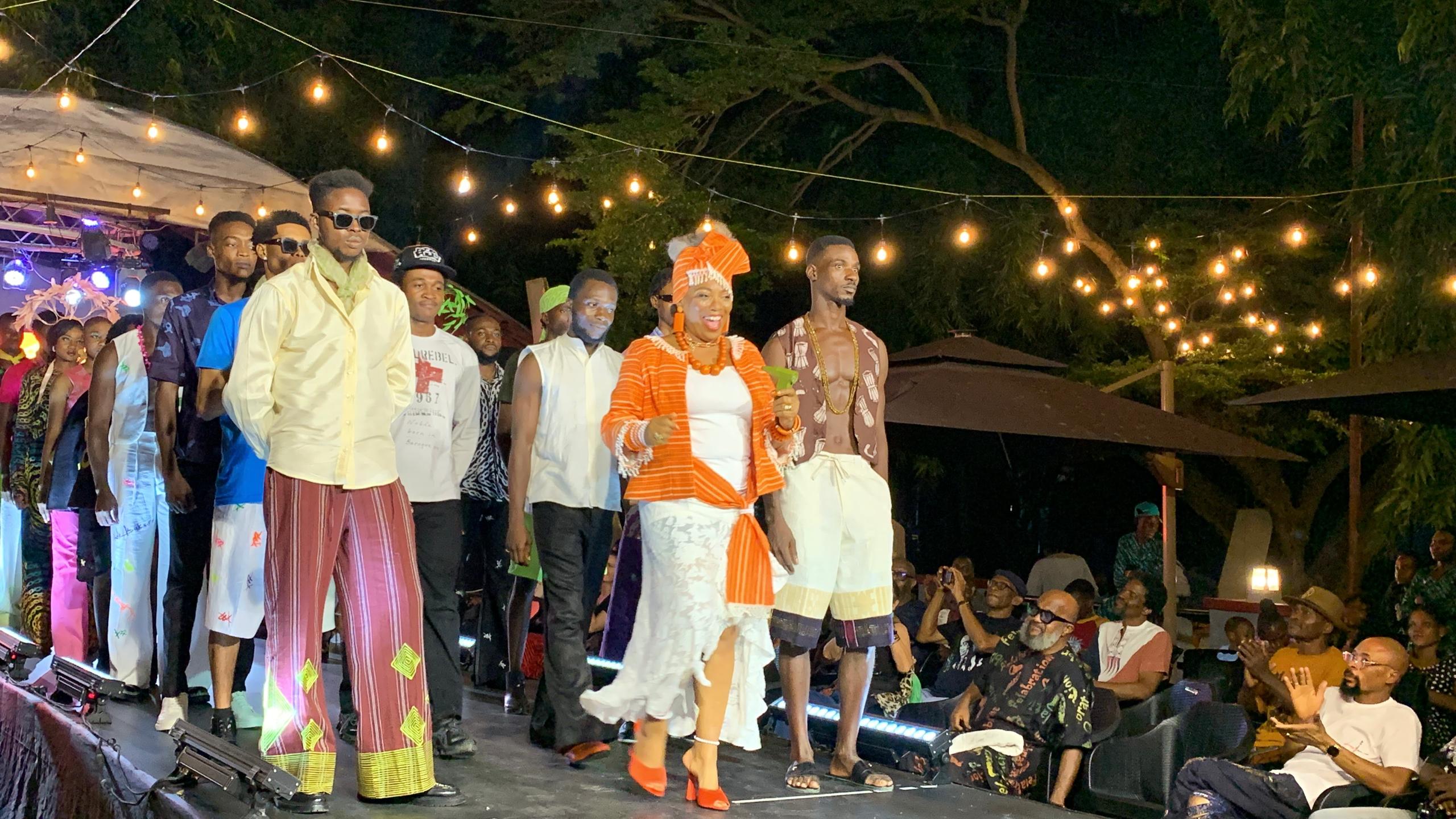
One of the notable moments of the event was a fashion runway walk titled “Fela as Gen Z,” featuring designs by Ade Bakare Couture. The walk reimagined the cultural icon for a new generation audience. Led by Yeni Kuti, the walk offered a contemporary interpretation of Fela’s fashion identity, imagining how the Afrobeat legend might express himself through the tastes, trends and aesthetics of Generation Z. The presentation brought the past into conversation with the present, demonstrating that Fela’s identity can be reinterpreted without losing its cultural significance. It also offered a creative bridge between generations. For younger audiences who may know Fela primarily through his music, photographs or stories, fashion provides another way to encounter his personality and legacy. The walk reinforced an important idea: cultural icons do not have to remain frozen in the period in which they lived. Their influence can continue to evolve as new generations find fresh ways to interpret their work, values and public identities.
The event was attended by members of the Kuti family, including Made Kuti and Seun Kuti. Their presence added to the significance of the occasion, connecting the designers’ creative interpretations with the family whose history remains closely linked to Fela’s musical, cultural and political legacy.
Felabration itself was conceived by Fela’s eldest child, Yeni Kuti, in 1998. Since then, the annual festival has grown into a week-long celebration featuring music, dance, art, debates and other cultural activities at the New Afrika Shrine and Freedom Park. The Dress Fela competition forms part of this broader tradition of keeping Fela’s influence alive through creative expression and cultural engagement.
Although the Dress Fela competition centred on clothing, its significance extended beyond the runway. Fashion offered the participating designers a way to explore identity, cultural memory and the relationship between heritage and innovation. Each interpretation reflected a different understanding of Fela and the possibilities of translating his distinctive personality into contemporary design. Fela’s influence was never limited to his music. He became a symbol of bold self-expression, cultural consciousness and resistance to convention. His image was inseparable from the ideas he communicated through his music and public life.
In is in this context that the question “Who Are You?” becomes more than a festival theme. It invites individuals to consider how their identities are shaped by their histories, cultures, values and creative choices. For the designers, the answer emerged through fabric, colour, silhouette and imagination. For the audience, it offered an opportunity to reconsider the relationship between personal expression and collective heritage.
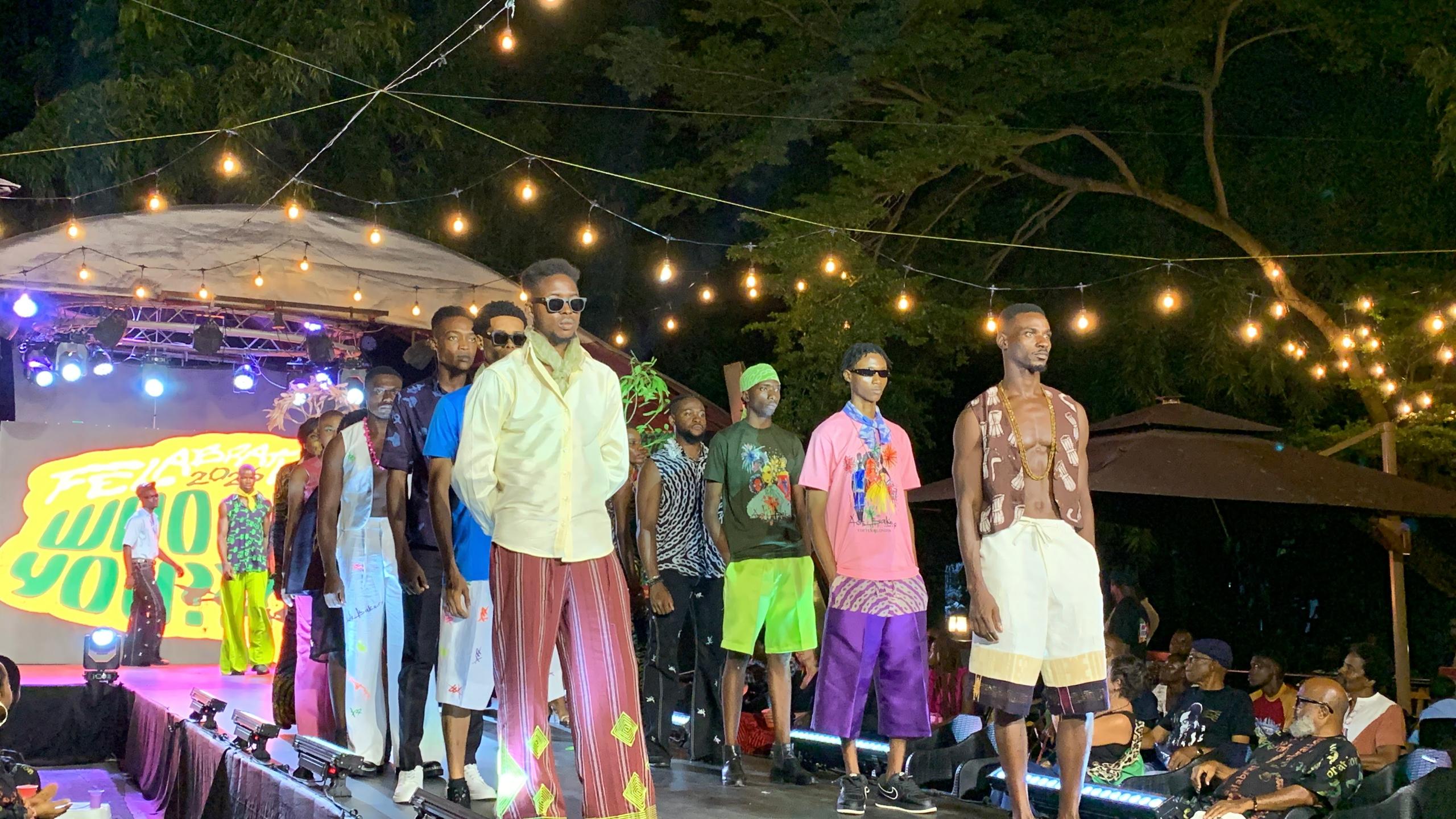 The competition also highlighted the creative possibilities within Nigeria’s fashion industry, demonstrating how cultural heritage can inspire new ideas and provide a platform for designers to showcase their talents. The Dress Fela Fashion Competition provided a fitting introduction to Felabration 2026, and set the stage for the week-long activities for the celebration of Fela Anikulapo-Kuti’s life and enduring influence that ended last Sunday, 18 October 2026.
By bringing together 12 fashion brands, established industry professionals and members of the Kuti family, the event demonstrated how fashion can contribute to the preservation and reinterpretation of cultural heritage. From the historical recreations to contemporary Afrocentric designs and futuristic expressions, the runway became a meeting point for different generations and creative possibilities. Ultimately, the competition was not just about how Fela dressed. It was about what his style represented, how his identity continues to inspire creativity and how new generations can carry his influence into the future.
Felabration’s “Who Are You?”, asked in the Dress Fela competition, offers its own response: identity is not only something we inherit. It is also something we interpret, express and continually redefine. And sometimes, a single outfit can tell that story without saying a word.